Rigid Plastic Packaging for Home & Household

Rigid Plastic Packaging for Home & Household Care Products: Safety, Convenience and Brand Confidence

Household cleaning products work hard behind the scenes. They scrub, disinfect, degrease and freshen up South African homes every day. To do that safely and reliably, they need packaging that is just as dependable.

From bleach and multi-surface sprays to dishwashing liquids and laundry detergents, rigid plastic bottles and containers carry powerful formulations that must be easy to handle, safe to store, and strong enough to survive repeated use. At t3 Plastic Packaging, home and household care is one of the core sectors we design for, with HDPE, PET and PP bottles shaped around real-life use.

This article explores how rigid plastic packaging supports the home care industry, and how t3 helps brands balance safety, convenience and shelf appeal.

The Role of Rigid Plastic in Household and Home Care Packaging

Homecare packaging has to do more than look good. It must:

  • Protect active ingredients from light, air and moisture
  • Withstand aggressive chemicals such as bleaches, degreasers and disinfectants
  • Pour or dispense accurately, without leaks or drips
  • Survive repeated squeezing, handling and storage

Rigid plastics such as PET, HDPE and PP are widely used for household and personal care bottles across South Africa because they offer the right mix of durability, chemical resistance and recyclability.

For brands, this combination of performance and practicality makes rigid plastic packaging the backbone of many homecare ranges.

Matching Materials to Formulation: PET, HDPE and PP

The starting point for any successful homecare pack is material choice. Different formulas demand different plastics:

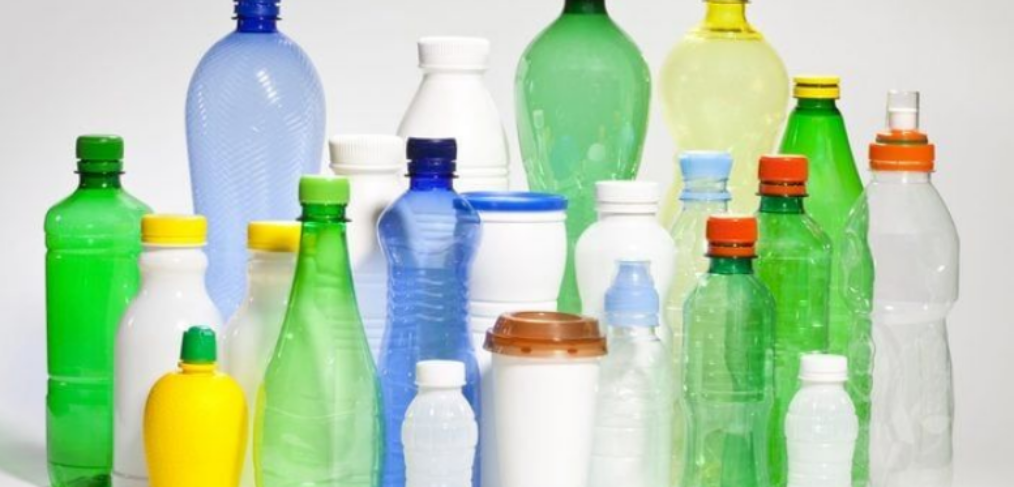
PET for clarity and shelf presence

PET is often used where product visibility matters, for example:

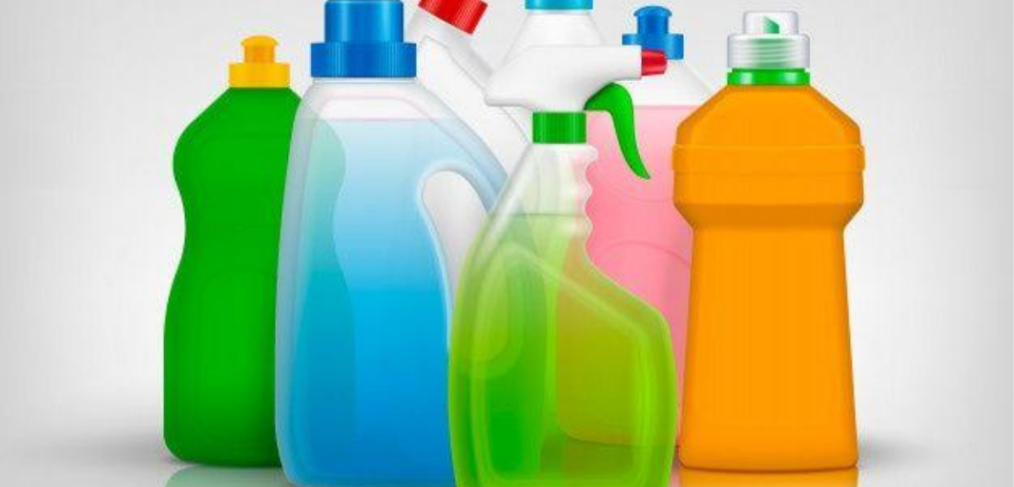
  • Clear surface sprays
  • Colourful dishwashing liquids
  • Fragranced cleaners

It delivers excellent clarity and good impact resistance, and is widely collected for recycling in South Africa’s established PET recycling streams.

HDPE for robust, chemical-resistant bottles

HDPE is a favourite in detergents and cleaning products because it offers:

  • Strong chemical resistance for bleaches and concentrates
  • High impact strength
  • Slight opacity to protect light-sensitive formulations

Many South African suppliers use HDPE for detergent and cleaning bottles because of its toughness and flexibility in shape.

PP for closures and specialised packs

PP is commonly used for:

  • Majority closures
  • Measuring caps
  • Certain jars and thicker-walled containers

Its heat resistance and durability make it ideal for components that are repeatedly opened, closed, twisted or snapped into place.

By combining these polymers, t3 can configure bottle-plus-closure systems that suit both product performance and production requirements.

Ergonomics in Everyday Use: Designed for Real Hands and Real Homes

Household products are used daily, often with wet or gloved hands. Poorly designed bottles can slip, be uncomfortable to hold or make dosing difficult.

t3 focuses on ergonomics through:

  • Grip zones and contouring that fit comfortably in the hand
  • Neck and handle design that support controlled pouring or spraying
  • Balanced proportions that feel stable when full and easy to handle when nearly empty

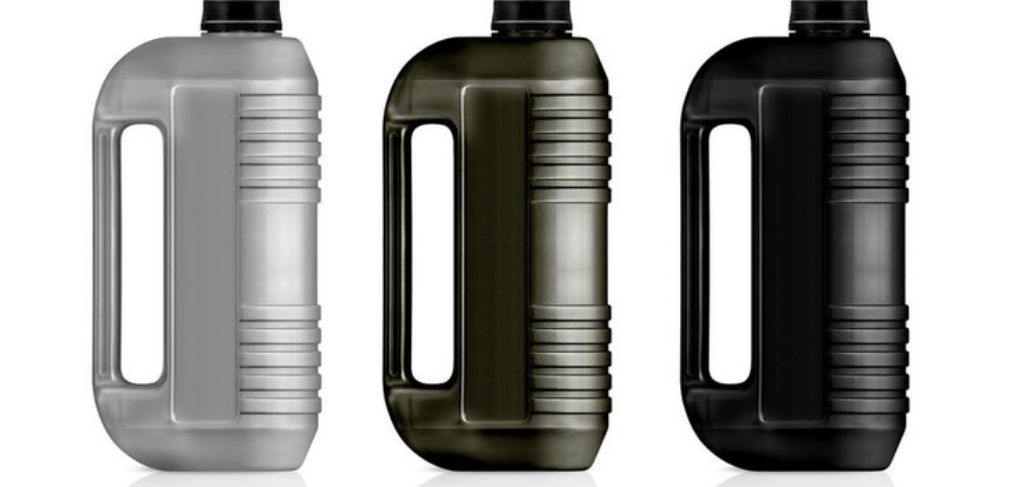
Simple details, such as a thumb rest or slightly flattened panel, can dramatically improve the user experience, especially in larger volume packs like 1 L or 2 L detergents.

Closures, Triggers (remove) and Dosing Systems That Work With the Pack

The closure or dispenser is a critical part of household packaging. It must be compatible with the bottle neck, the product formulation and how the end user interacts with it.

Common features include:

  • Flip-top caps for hand lotions, all-purpose cleaners and hand soaps
  • Screw caps with measuring functions for laundry detergents and fabric softeners
  • Trigger sprayers for surface and bathroom cleaners (please remove)
  • Push Pull caps for dishwashing liquid and rinse aid
  • Tamper band caps to ensure products are not tampered with
  • Beverage caps for all beverage needs
  • Child-resistant closures where there is a poisoning risk

t3 designs rigid bottles and containers to integrate seamlessly with standard and custom closures, ensuring secure fit, leak-proof performance and reliable dosing throughout the product’s life.

Designing for High-Speed Filling, Labelling and Distribution

In household production environments, a well-designed pack is one that runs smoothly on the line.

t3’s rigid packaging for homecare products is developed with:

  • Consistent neck and thread dimensions for automated capping
  • Stable base geometry for conveyors and accumulation tables
  • Optimised wall thickness for fast moulding and reliable sealing
  • Label-friendly surfaces with flat or slightly curved panels for wraparound or pressure-sensitive labels

This reduces stoppages, rejects and rework, while giving brand owners a dependable, repeatable packaging platform.

Safety and Compliance in Home and Household Care

Many household products contain active chemicals that require careful handling and responsible packaging. t3 supports brand owners by:

  • Using food and homecare suitable polymers that meet relevant standards
  • Designing robust closures that help prevent leaks and accidental opening
  • Considering compatibility with child-resistant features where appropriate
  • Ensuring bottles can withstand transport stresses without cracking, warping or collapsing

Safety does not only protect end users. It also safeguards brand reputation and reduces the risk of returns or recalls.

Shelf Appeal: Standing Out in a Busy Homecare Aisle

Shelves in South African supermarkets and wholesalers are filled with competing detergents, disinfectants and sprays. Design and shaping therefore play a key branding role.

t3 helps brands differentiate through:

  • Distinctive silhouettes that are easy to recognise at a glance
  • Colour strategies that align with fragrance, product purpose or brand family
  • Texture and finish choices such as gloss, matte or grip embossing
  • Label panel geometry that frames artwork and mandatory information clearly

Rigid packaging becomes a silent salesperson, signalling quality, performance and trust before the consumer even picks the product up.

Sustainability and Lightweighting in Homecare Packaging

Homecare brands are under growing pressure to reduce their environmental impact. Rigid plastics can support this goal when designed with circularity in mind:

  • Lightweighting reduces the amount of plastic used per bottle while maintaining strength
  • Use of established recyclable polymers such as PET and HDPE supports local recycling systems
  • Single-polymer designs make packs easier to recover and recycle
  • Packs can be created with reuse or refill systems in mind, extending their life in the home

t3 works with clients to find the balance between durability, appearance and material efficiency, so performance is not sacrificed in the move towards more sustainable packaging.

Conclusion: Packaging That Works as Hard as the Products Inside

Household and home care products must be safe, effective and convenient. Their packaging should reflect the same qualities. Rigid plastic bottles and containers from t3 Plastic Packaging are designed to withstand demanding formulations, repetitive use and busy production environments, while still helping brands stand out on the shelf.

From material selection and ergonomic shaping to closure compatibility and recyclability, t3 brings technical know-how and practical experience to every homecare project. The result is packaging that supports product performance, gives consumers confidence and strengthens long-term brand loyalty.

Pharmaceutical and Healthcare Packaging

Pharmaceutical and Healthcare Packaging: Rigid Plastics That Protect Consumers and Brands

In the pharmaceutical and healthcare sector, packaging does far more than contain a product. It protects consumers, preserves sensitive formulations and supports strict regulatory standards. A small defect can have serious consequences, which is why packaging performance is non-negotiable.

Rigid plastic packaging plays a central role in this space, from pill bottles and syrups to antiseptic solutions and topical treatments. At t3 Plastic Packaging, we design and manufacture rigid bottles, jars and closures that help healthcare and pharmaceutical brands maintain safety, accuracy and trust.

Why Rigid Plastic Packaging Works for Pharmaceuticals and Healthcare

Pharmaceutical and healthcare applications place unique demands on packaging:

  • Contents may be chemically active or sensitive to light and oxygen
  • Exact dosing and secure closures are critical
  • Packs must remain intact through transport, storage and everyday use
  • Labelling and information must stay legible for the full product life

Rigid plastics such as PET, HDPE and PP are widely used for medicine, home and personal care bottles because they combine durability, light weight, and compatibility with established recycling streams.

This combination makes them ideal for health-focused brands looking for reliable, compliant and commercially practical packaging.

Material Choices for Healthcare: PET, HDPE and PP

Selecting the right polymer is essential to protect both the product and the patient.

PET – clarity and barrier performance

PET offers:

  • High clarity for syrups, tonics and certain liquid medicines
  • Good barrier properties against moisture and gas
  • A smooth, premium appearance suitable for over the counter products

It is also well supported by South African recycling infrastructure, which further strengthens its sustainability profile.

HDPE – toughness and chemical resistance

HDPE is commonly used where robustness and chemical resistance are key, for example:

  • Antiseptic solutions and disinfectants
  • Certain oral care products
  • Harsh or concentrated formulations

Its impact resistance and ability to handle stress and squeezing make it a dependable choice in demanding environments such as clinics and hospitals.

PP – closures, dosing and specialist components

PP’s heat and fatigue resistance make it ideal for:

  • Screw caps, flip-tops and measuring caps
  • Child-resistant closures
  • Hinged lids and applicator components

With precise moulding and tight tolerance control, PP closures from t3 deliver predictable, repeatable performance in critical applications.

Safety by Design: Closures, Tamper Evidence and Child Resistance

Safety is the priority in pharmaceutical and healthcare packaging. t3 focuses on three key areas:

1. Secure sealing and leak prevention

Accurate neck finishes, consistent wall thickness and correctly matched closures help:

  • Prevent leaks during transport and storage
  • Protect labels from product residue
  • Reduce contamination risk

2. Tamper-evident solutions

Tamper-evident features, such as break bands or tear-off strips, give clear visual confirmation that the product has not been opened since leaving the manufacturer. This helps protect both consumer confidence and brand reputation.

3. Child-resistant designs

For medicines and hazardous products, child-resistant closures provide an additional safety layer. t3 can manufacture bottles and closures designed to integrate child-resistance where required, while still remaining accessible for adults and seniors.

Dosing, Ergonomics and Ease of Use

Packaging must support accurate, stress free dosing.

t3’s rigid packaging solutions consider:

  • Neck size and shape to work with dosing spoons, syringes or cups
  • Grip and bottle shape for easy handling by patients or caregivers
  • Controlled pouring for syrups and liquids, limiting spills and waste
  • Cap torque calibrated so closures are neither too loose nor too tight

Ergonomic, user friendly design improves adherence and reduces frustration, which is especially important for chronic medication and paediatric formulations.

Labelling Surfaces and Regulatory Information

Pharmaceutical and healthcare labels carry critical information, including dosage, warnings, batch codes and expiry dates. Packaging must support:

  • Adequate flat or controlled curved areas for labels and print
  • Strong adhesion and clean surfaces for overlabelling or coding
  • Long term legibility, even in cold chain or humid environments

t3 designs bottles and containers with defined label panels, so branding, barcodes and regulatory text remain clear and easy to read throughout the product life.

Clean Manufacturing, Repeatability and Traceability

In health related sectors, consistency is everything. Rigid packaging must be uniform from batch to batch so filling lines, closure torque and labelling all remain predictable.

t3 supports this through:

  • Controlled moulding processes and tooling maintenance
  • Real time monitoring of critical parameters such as pressure, temperature and cooling times
  • Dimensional checks and visual inspection throughout production
  • Batch traceability, linking finished packaging back to material lots and process conditions

This disciplined approach reduces variability and gives pharma and healthcare clients confidence in every shipment.

Supporting Cold Chain and Challenging Storage Conditions

Many health products move through challenging environments:

  • Cold chain storage
  • Warm, humid climate conditions
  • Long distance transport across South Africa

Rigid PET, HDPE and PP bottles remain stable in these conditions when correctly specified, helping to protect product integrity and maintain shelf life.

Thoughtful design of wall thickness, geometry and closure pairing ensures bottles do not distort under temperature changes or stacking loads.

Sustainability in Pharmaceutical and Healthcare Packaging

Although safety and compliance come first, sustainability is increasingly important in healthcare as well.

t3 works with clients to:

  • Use recyclable polymers such as PET, HDPE and PP which align with South African recycling structures
  • Reduce unnecessary material through lightweighting and optimised design
  • Explore opportunities to incorporate recycled content where appropriate and permitted by regulations
  • Simplify packaging constructions to support easier sorting and recycling

In this way, healthcare brands can advance sustainability goals without compromising product protection.

Conclusion: Packaging That Protects What Matters Most

In pharmaceuticals and healthcare, packaging is an essential part of the product. It protects active ingredients, supports correct dosing and reassures patients that their medication is safe to use.

By combining material science, precision manufacturing and sector specific design, t3 Plastic Packaging helps health and pharma brands deliver this reliability at scale. From small-volume specialist runs to high volume over the counter ranges, t3 provides rigid plastic bottles, jars and closures that support safety, compliance and brand trust.

Inside t3’s Injection Moulding Process

Manufacturing Precision: Inside t3’s Injection Moulding Process

Precision defines quality. In the world of packaging, even the smallest deviation can affect performance, safety, and brand reputation. At t3 Plastic Packaging, every bottle, jar, and closure begins with one goal, absolute accuracy. Through state-of-the-art injection moulding technology, strict quality control, and continuous process refinement, t3 delivers packaging that performs perfectly, every single time.

The Role of Injection Moulding in Rigid Packaging

Injection moulding is the foundation of modern packaging production. The process injects molten polymers into exact moulds, producing uniform components with tight tolerances. For t3, it’s about turning materials into dependable forms that balance strength, weight, and shelf appeal.

t3’s approach ensures:

  • Consistent wall thickness for structural integrity
  • Smooth surface finishes for branding and labelling
  • Accurate threading and neck finishes for closures
  • Dimensional repeatability across thousands of units

This commitment to precision helps clients maintain production efficiency and protect brand trust.

Material Science Meets Manufacturing Control

The secret to performance begins with the polymer.
t3 selects materials that meet both South African and international food-grade and safety standards, including:

  • PET: Known for clarity and recyclability, ideal for beverages and cosmetics.
  • HDPE: Resistant to impact and chemicals, suitable for condiments and detergents.
  • PP: Heat-stable and durable, perfect for closures and high-performance jars.

Each material batch is tested for melt flow index, moisture content, and uniformity before use, ensuring predictable flow, solid bonding, and long-term strength.

Tooling: Where Perfection Takes Shape

Every product starts with the mould. t3’s in-house tooling team ensures each mould:

  • Maintains tight cavity alignment
  • Is balanced for even material flow
  • Provides uniform cooling to prevent warping
  • Delivers perfect ejection for flawless surfaces

Regular calibration and microscopic inspection guarantee every cavity produces an identical, defect-free result, a standard that underpins t3’s manufacturing reputation.

In-Process Quality Control: Monitoring Every Moulding Cycle

Precision doesn’t end when the mould closes, it’s monitored throughout production.
t3 employs real-time monitoring systems to track:

  • Injection pressure
  • Fill speed
  • Cooling rate
  • Cycle consistency

When any parameter drifts from specification, automated alerts trigger corrective action.
This proactive process avoids defects, reduces waste, and ensures uninterrupted production consistency.

Testing That Builds Trust

At defined intervals, t3’s quality team conducts rigorous product testing:

  • Dimensional inspection using callipers and gauges
  • Seal verification to ensure leak-free closures
  • Torque tests for cap strength and usability
  • Drop and compression simulations to replicate transport conditions

Every step verifies performance and protects customer confidence.

Post-Production Validation

Before packaging leaves the facility, final testing confirms:

  • Stacking durability under pressure
  • Thermal resistance for varied climates
  • Aesthetic consistency across batches
  • Labelling and closure compatibility

Each batch is digitally logged, ensuring complete traceability and accountability from raw resin to finished product.

Sustainability Through Manufacturing Efficiency

Precision isn’t just about accuracy, it’s also about responsibility.
t3 minimises environmental impact by:

  • Reducing cycle times through efficient cooling
  • Optimising material use with lightweighting
  • Recycling process scrap within quality limits
  • Using energy-efficient moulding equipment

The result: precision that conserves resources and reduces waste without sacrificing performance.

Compliance and Certification: Setting the Industry Standard

t3’s manufacturing process is built on internationally recognised standards.
Through ISO-aligned quality management systems, documented inspections, and traceable workflows, every product meets both customer and regulatory requirements.
Clients across South Africa trust t3 for one reason, proven, measurable quality.

Conclusion

Consistency builds confidence. From advanced mould design to full-cycle process control, t3 Plastic Packaging sets the benchmark for precision, reliability, and performance. Whether producing one thousand units or one million, every part reflects the same principle: if it doesn’t meet our standard, it doesn’t leave our factory.

The Future of Plastic Packaging

Designing for Circularity: The Future of Plastic Packaging

Packaging no longer ends its life in the bin, it continues in the loop. At t3 Plastic Packaging, circular design is central to how we approach manufacturing. By designing products for recyclability, reusability, and resource efficiency, t3 supports the circular economy while delivering packaging that’s both practical and sustainable.

The Meaning of Circular Design

Circular packaging design ensures that materials stay in use for as long as possible through reuse, recycling, or recovery.
t3 achieves this by focusing on:

  • Simplified single-polymer packaging
  • Lightweighting and reduced resource use
  • Refillable, reusable, and recyclable options
  • Partnering with local recyclers to close the loop

This strategy keeps packaging functional while minimising environmental impact.

Material Selection: Responsible and Reliable

t3 uses polymers that support recycling systems across South Africa:

  • PET: Clear, durable, and widely recovered through local recycling streams.
  • HDPE: Impact-resistant and easily reprocessed for closed-loop manufacturing.
  • PP: Heat-resistant and adaptable for repeated use.

Each polymer is carefully selected and processed to maintain quality even when containing recycled content.

Designing for Reuse and Refill

The future of packaging lies in long-term usability. t3 creates:

  • Reusable jars and bottles with robust designs
  • Refill systems compatible with standardised closures
  • Ergonomic shapes that promote comfort and repeat use

By extending product lifecycles, brands build consumer trust and reduce waste.

Lightweighting: Less Material, More Efficiency

Circularity is as much about efficiency as it is about recycling.
t3 engineers use 3D modelling to reduce material mass while maintaining strength and performance. The results include:

  • Lower shipping costs
  • Shorter cooling cycles
  • Fewer raw materials consumed per unit

Lightweight packaging performs just as well, with a smaller carbon footprint.

Single-Material Construction for True Circularity

Recycling depends on simplicity. t3 prioritises single-polymer packaging and wash-off labelling to ensure easy recovery.
Embossed branding and minimalist design reduce label waste while improving recyclability. Each bottle and closure combination is engineered to meet both performance and sustainability targets.

Partnerships that Close the Loop

t3 collaborates with local recycling facilities, suppliers, and clients to strengthen circular infrastructure. This partnership-driven model supports Extended Producer Responsibility (EPR) legislation, helping clients meet both brand and legal sustainability goals.

Business Benefits of Circular Packaging

Circularity pays off in measurable ways:

  • Lower operational and material costs
  • Better brand image and consumer loyalty
  • Future-proof compliance with environmental regulations
  • Access to export markets demanding sustainable supply chains

t3 turns circular design from a trend into a business advantage.

Conclusion

Circular design isn’t just the future, it’s the new normal. With recyclable materials, durable designs, and efficient production, t3 Plastic Packaging helps businesses transition toward smarter, more sustainable packaging solutions that protect products, profits, and the planet.

How Packaging Design

The Science of Shape: How Packaging Design Impacts Functionality and Brand Appeal

More Than Just a Container

Packaging is often seen as a vessel, a way to hold, protect, and transport. But in reality, it’s far more than that.
Every curve, corner, and contour has a purpose.

At T3 Plastic Packaging, design is where engineering meets experience. A well-designed plastic container doesn’t just protect its contents, it communicates quality, strengthens brand identity, and improves usability. The right shape can make a product easier to hold, pour, display, and even recycle.

Understanding that balance between form and function is what sets T3’s designs apart.

Form Follows Function – The Foundation of Great Packaging

When it comes to packaging, good design starts with how something works.

A bottle, tub, or cap isn’t created for looks alone. It must withstand filling pressures, stacking weight, transport vibration, and everyday handling, all while delivering a seamless user experience.

The Functional Core of Design

T3’s designers and engineers collaborate to ensure each product meets key performance criteria:

  • Strength and durability: Withstand pressure, impact, and sealing requirements.
  • Compatibility: Fit precisely with closures, dispensers, or machinery.
  • Efficiency: Optimised for high-speed filling and labelling lines.
  • Safety: Leak-proof and compliant with material and food-grade standards.

By perfecting these mechanical and physical parameters, T3 ensures packaging functions perfectly before visual appeal is even considered.

Ergonomics: Designed for the Human Hand

Ergonomics plays a crucial role in packaging, it’s where functionality meets everyday usability.

A product that’s awkward to hold or difficult to open can frustrate consumers, no matter how beautiful it looks.

T3’s Approach to Ergonomic Design

  • Grip and comfort: Bottles and containers are shaped to fit naturally in the hand.
  • Effortless use: Pouring angles and opening torque are carefully calibrated.
  • Consistency: Each batch maintains exact dimensions for universal ease of use.

From healthcare to household goods, ergonomic precision enhances the consumer experience and improves customer loyalty, a subtle but powerful advantage.

Aesthetic Precision: Visual Impact Meets Brand Identity

While function comes first, form is what catches the eye.
Packaging is a brand’s first impression, and in a competitive market, design is what stops a customer mid-aisle.

T3’s creative engineering team understands that every millimetre of curvature or surface texture contributes to how a brand feels in hand and on the shelf.

How Design Shapes Perception

  • Curves suggest comfort: soft shapes feel friendly and approachable.
  • Sharp angles signal precision: clean lines imply efficiency and reliability.
  • Transparency and gloss levels communicate cleanliness and modernity.

By aligning design language with brand intent, T3 ensures packaging isn’t just functional, it tells a story.

Material Intelligence: When Design Meets Chemistry

The science of shape goes beyond geometry, it’s also about material behaviour.

Different plastics expand, cool, and flow in unique ways during moulding. Understanding how these materials behave ensures design accuracy and long-term performance.

Key Factors in Material-Based Design

  • Wall thickness impacts weight, strength, and cooling time.
  • Ribbing and reinforcement add stability without increasing material use.
  • Shrinkage rates affect how final shapes emerge from the mould.

T3’s engineers use advanced simulation tools to predict these variables and adjust designs before production begins, saving time, waste, and cost.

The Role of CAD and Prototyping in Perfecting Form

Every T3 packaging product begins in the digital world.
CAD (Computer-Aided Design) tools allow engineers to model products down to the finest detail, testing tolerances and performance long before physical production starts.

From Digital Model to Real Prototype

  1. 3D Modelling: Initial concepts are rendered to scale for structural review.
  2. Simulation: Virtual stress testing ensures strength and stability.
  3. Rapid Prototyping: Physical samples allow tactile evaluation and fit testing.
  4. Feedback Integration: Client feedback is incorporated for final refinement.

This process ensures accuracy, efficiency, and design excellence from day one, no guesswork, no surprises.

Design for Manufacturing (DFM): Efficiency in Every Detail

A design is only as good as its manufacturability.
T3’s designers work hand-in-hand with production engineers to ensure every concept translates seamlessly into large-scale production.

What DFM Achieves

  • Reduces material waste through optimised geometry
  • Minimises tooling complexity and cycle times
  • Ensures consistent wall thickness and cooling rates
  • Prevents moulding defects such as warping or sink marks

The result: packaging that not only looks and performs beautifully, but also runs efficiently on high-speed production lines.

The Science of Shelf Appeal

A product’s success isn’t determined in the factory, it’s decided on the shelf.

The moment a customer’s eyes scan the options, design becomes the silent salesperson. Studies show that over 70% of purchase decisions are made at the shelf, often based on how a product looks and feels.

T3’s Shelf-Ready Design Priorities

  • Proportions that stand out but still stack efficiently
  • Label space that integrates with shape and symmetry
  • Colour and texture harmony that enhances visibility
  • Consistency across product lines for brand recognition

T3 designs packaging that not only works for the manufacturer but also resonates with the consumer, the balance that defines premium brands.

Sustainability and Smart Design

Design isn’t just about aesthetics and usability, it’s about responsibility.

T3 integrates sustainable principles directly into design by reducing plastic weight, improving recyclability, and ensuring long product lifecycles.

Eco-Efficient Design Methods

  • Lightweighting without compromising strength
  • Designing for material reuse or single-type recyclability
  • Reducing mould complexity for energy-efficient manufacturing

By designing smarter, T3 proves that sustainability can be achieved through innovation, not compromise.

The T3 Design Philosophy

Every project begins with one guiding question:
“How can we make this product perform better and look smarter?”

T3’s design philosophy is built on three principles:

  1. Precision: every dimension measured and tested.
  2. Purpose: every feature engineered for performance.
  3. Perception: every surface crafted to reflect quality.

From industrial bulk containers to sleek consumer bottles, T3 designs are proof that science and creativity can coexist in perfect balance.

Conclusion: Form, Function, and the Future of Design

In packaging, shape is power. The right design can make handling easier, transportation safer, and brands more memorable.

At T3 Plastic Packaging, design isn’t an afterthought, it’s the foundation. Each curve, edge, and contour represents years of material understanding, ergonomic study, and manufacturing experience.

Because when packaging is designed to perform perfectly, everything else, from filling lines to customer satisfaction, falls seamlessly into place.

Precision and Performance

Precision and Performance: Inside T3’s Quality Assurance Process

Why Quality Defines Everything

In the world of plastic packaging, precision is everything. A single millimetre can determine whether a cap fits perfectly or leaks under pressure. In high-volume manufacturing, consistency isn’t optional, it’s the standard.

At T3 Plastic Packaging, quality assurance isn’t a single step in production, it’s built into every stage, from design to delivery. Every mould, every batch, every part undergoes strict testing to ensure it performs as expected, every time.

Because for T3, quality isn’t just about compliance. It’s about confidence.

Quality Starts Before Production

Most manufacturers think of quality control as something that happens after products are made. T3 takes a different approach, starting long before the first mould is filled.

1. Material Inspection

Every product’s quality begins with what it’s made from. T3 sources high-grade polymers from trusted suppliers and inspects incoming materials for purity, strength, and consistency.

Testing includes:

  • Melt flow index verification for optimal moulding performance
  • Moisture content checks to prevent structural defects
  • Colour and additive verification to ensure uniform appearance and chemical compatibility

Only approved materials make it onto the production floor.

2. Tooling and Mould Precision

Each mould is the blueprint of perfection. T3 inspects every new or serviced mould for alignment, surface integrity, and tolerance accuracy.
Micrometre-level precision ensures each unit produced meets exact specifications.

In-Process Quality Control: Monitoring Every Moulding Cycle

The key to consistent results lies in real-time process monitoring. T3’s production lines are equipped with advanced injection moulding systems that continuously measure and adjust process parameters to maintain uniformity.

1. Real-Time Parameter Tracking

Temperature, pressure, injection speed, and cooling times are constantly monitored. If a parameter drifts outside the defined range, automated systems alert operators immediately.

2. Statistical Process Control (SPC)

Data-driven SPC analysis identifies trends before they become defects.
This predictive approach allows T3 to act proactively, ensuring zero waste and maximum consistency.

3. Visual and Dimensional Checks

During each production run, trained quality inspectors perform routine checks for:

  • Surface finish and clarity
  • Wall thickness uniformity
  • Seal integrity
  • Cap fit and closure accuracy

Every deviation is logged, reviewed, and corrected immediately.

Post-Production Testing: The Assurance Stage

Once a production batch is complete, it enters the final inspection phase. This stage verifies that all specifications are met before packaging and delivery.

1. Mechanical Testing

T3 performs a range of durability and stress tests, including:

  • Compression testing to measure stacking strength
  • Drop tests for impact resistance
  • Leak testing under pressure and temperature variation

These tests simulate real-world conditions, ensuring that T3’s packaging performs reliably during transport, storage, and use.

2. Dimensional Verification

Using digital callipers, CMM (Coordinate Measuring Machines), and laser scanners, each product’s dimensions are cross-checked against technical drawings. Even microscopic deviations are flagged and corrected before the batch leaves the facility.

3. Aesthetic and Brand Integrity Checks

Visual inspection ensures that each item aligns with brand and customer expectations, no discolouration, warping, or texture flaws. For clients with printed or embossed branding, T3 verifies alignment and clarity on every batch.

Compliance and Certification: Setting the Industry Standard

Quality means nothing without accountability. T3 operates under strict ISO-certified quality management systems, ensuring that every process is documented, traceable, and repeatable.

Certifications and Compliance

  • ISO 9001: Quality management and process control
  • ISO 22000 (where applicable): Food safety compliance for packaging
  • Customer-specific audits: Routine assessments to meet unique brand standards

These certifications prove what T3’s clients already know, that precision is not a claim, but a measurable fact.

Continuous Improvement: The T3 Way

True quality isn’t static. It evolves.

T3’s internal Continuous Improvement Programme ensures the company remains at the forefront of manufacturing excellence.

How It Works

  • Regular training for operators and technicians
  • Investment in new inspection technologies
  • Process reviews to identify and eliminate inefficiencies
  • Feedback loops between QA teams and design engineers

This commitment to improvement means every T3 product is better than the last, not just compliant, but exceptional.

Technology-Driven Precision

T3’s production environment blends human expertise with advanced technology for unrivalled accuracy.

1. Digital Mould Monitoring

Sensors embedded in the mould track pressure and temperature in real time, ensuring uniform part formation.

2. Automated Vision Inspection

High-speed cameras identify surface anomalies invisible to the human eye, detecting micro-bubbles, flow lines, or uneven textures.

3. Data Traceability

Every production run generates a digital footprint, material batch numbers, machine data, and quality metrics are stored for complete traceability.

Clients can have full confidence knowing that every component can be traced back to its source and process parameters.

The Human Factor – Trained Eyes Behind the Machines

Even the best technology needs skilled professionals to interpret and act on data. T3’s quality control team is made up of highly trained inspectors and technicians who understand plastics from the inside out.

They know how materials behave, how tools wear, and how subtle visual cues can indicate deeper issues. Their expertise ensures that T3’s reputation for reliability is upheld with every batch produced.

Collaboration with Clients: Shared Quality Goals

T3 views quality as a partnership. Every project is developed collaboratively with clients, from specification and sampling to final approval.

Clients are encouraged to participate in pre-production testing, factory audits, and quality reviews. This transparency fosters long-term trust and helps T3 align its standards with client expectations.

Why Consistency Builds Trust

A single excellent batch is not enough. Clients depend on T3 for consistent precision across every order.
That consistency safeguards supply chains, product integrity, and brand reputation, especially in industries where packaging failure is not an option.

T3’s process ensures that whether an order is for 1,000 or 100,000 units, the quality is identical, measured, verified, and certified.

Conclusion: Precision That Protects Reputation

Quality assurance isn’t just about testing; it’s about trust.

At T3 Plastic Packaging, that trust is earned through process control, technical excellence, and relentless attention to detail. Every part produced reflects the same principle:

If it doesn’t meet our standards, it doesn’t leave our factory.

From material selection to finished product inspection, T3’s quality assurance process ensures precision in every piece, because for T3, perfection isn’t an accident. It’s engineered.


Rigid Plastic Packaging

Rigid Plastic Packaging in the Cosmetics & Personal Care Industry

Packaging That Balances Beauty and Function

In cosmetics and personal care, packaging must deliver safety, elegance, and convenience. At T3 Plastic Packaging, we specialise in rigid plastic bottles and jars made from PET, HDPE, and PP, materials trusted by brands for their durability and versatility.

Benefits of Rigid Plastic Packaging for Cosmetics

  • Product Protection: Barrier against light, air, and moisture to extend shelf life.
  • Portability: Lightweight yet strong bottles and jars for everyday use.
  • Tamper-Evident Features: Closures that ensure safety and compliance.
  • Customisable Aesthetics: Colours, finishes, and shapes that enhance brand appeal.

Industry Applications

  • PET bottles for shampoos, conditioners, and body washes.
  • HDPE containers for lotions, creams, and hair care products.
  • PP jars for balms, powders, and premium skincare ranges.

Consumer Expectations in Cosmetics Packaging

Shoppers in the cosmetics aisle judge products heavily on presentation. A sleek jar or ergonomic bottle reinforces a brand’s premium image, while poor packaging undermines trust. Rigid plastic packaging helps brands strike the balance between beauty and practicality.

South African Market Dynamics

The personal care market in South Africa is expanding rapidly, driven by rising middle-class consumption and demand for premium skincare. Brands that adopt durable and sustainable rigid packaging will be well-positioned to capture this growing audience.

Sustainability in Cosmetic Packaging

Today’s consumers expect eco-friendly solutions. T3 incorporates recyclable PET and PP into cosmetic packaging, helping brands align with sustainability goals without sacrificing quality. Lightweight jars and bottles also reduce transport emissions, further supporting green objectives.

Regulatory Compliance in Cosmetics

Cosmetic packaging must adhere to strict hygiene and safety regulations. T3 ensures all bottles and jars comply with South African and international standards, giving brands confidence in both performance and compliance.

Innovation in Cosmetic Packaging

Emerging trends include refillable rigid containers, biodegradable additives, and embossed branding for premium shelf appeal. South African brands adopting these trends early will strengthen their competitive edge in both local and export markets.

T3 Plastic Packaging, packaging beauty with durability and design.

Custom Bottle Design

Custom Bottle Design: How Rigid Plastic Packaging Shapes Brand Identity

Packaging as a Brand Story

In competitive markets, packaging is more than a container, it is the first conversation a brand has with its customer. For South African producers, custom PET, HDPE, and PP bottles provide the opportunity to differentiate on shelves and build loyalty. At T3 Plastic Packaging, we design rigid bottles that don’t just protect products but also strengthen brand identity.

Why Design Matters in Rigid Plastic Bottles

  • Shape and Form: A unique silhouette can become instantly recognisable.
  • Colour and Finish: Transparent PET for clarity, tinted HDPE for premium products, or matte PP for elegance.
  • Closures and Caps: Flip-tops, screw caps, or tamper-evident closures complete the visual and functional identity.
  • Ergonomics: Easy-to-hold bottles enhance consumer experience and repeat use.

Consumer Psychology and Packaging

Packaging shapes how consumers perceive quality, safety, and value. Studies show that bottle shape and design influence purchasing decisions as much as labels or advertising. A well-designed rigid plastic bottle acts as a silent salesperson, reinforcing trust and brand consistency.

South African Market Perspective

South Africa’s packaging landscape is highly competitive, with consumers increasingly expecting products to balance quality, safety, and sustainability. Rigid plastic bottles remain a cost-effective solution that also enables brands to stand out in busy retail environments. For producers, design is no longer optional, it’s essential for market survival.

Technical Comparison: PET vs HDPE vs PP

  • PET (Polyethylene Terephthalate): Exceptional clarity, lightweight, recyclable, commonly used for beverages and sauces.
  • HDPE (High-Density Polyethylene): Strong, impact-resistant, and chemically resistant; ideal for oils, detergents, and food condiments.
  • PP (Polypropylene): Durable and versatile, used for jars, closures, and premium rigid packaging.

By combining these materials strategically, brands can ensure the right balance of performance and branding potential.

Design Features that Influence Consumers

  • Transparency: Allows consumers to see product quality.
  • Texture and Finish: Glossy finishes convey modernity, matte surfaces suggest premium positioning.
  • Size Variations: Catering to both bulk-buy and single-use demand.
  • Brand Elements: Embossed logos and unique bottle shapes create lasting impressions.

The Role of Sustainability in Design

Consumers are demanding packaging that looks good and aligns with environmental responsibility. Incorporating recycled materials, lightweighting, and designing bottles for recyclability helps brands meet both aesthetic and sustainability goals.

The Future of Packaging Design

Innovations such as smart bottles with QR codes, refill systems, and biodegradable additives are influencing packaging design globally. South African brands that adopt these trends early will have an advantage in consumer engagement and market share. T3 is committed to helping businesses stay ahead with modern, recyclable, and practical rigid plastic packaging.

T3 Plastic Packaging, shaping brands with customised rigid bottles.

Tamper-Evident Closures

Tamper-Evident Closures: Protecting Brands and Consumers in the Supply Chain

Why Closures Matter in Rigid Packaging

Packaging is only as strong as its closure. For food and beverage producers, tamper-evident closures provide assurance that products remain safe from production to point-of-sale. Without secure closures, even the strongest packaging loses its protective value.

The Benefits of Tamper-Evident Technology

  • Consumer Safety: Prevents contamination and ensures product integrity.
  • Brand Protection: Builds trust by showing clear evidence of safety.
  • Regulatory Compliance: Meets food packaging standards required in South Africa.
  • Shelf Life Extension: Maintains freshness and reduces spoilage.

Types of Tamper-Evident Closures

  • Screw Caps with Break Bands: Common in beverages and sauces.
  • Flip-Top Caps: Popular in condiments and personal care items.
  • Push-Pull Closures: Ideal for sports drinks and household cleaning products.
  • Child-Resistant Caps: Critical for pharmaceuticals and chemicals.

Each type is engineered for ease of use while guaranteeing evidence of tampering.

Applications Across Industries

From bottled sauces and oils to pharmaceuticals and personal care items, tamper-evident closures add a crucial layer of protection. For food producers, closures provide peace of mind during long transport routes and varied storage conditions. For personal care and pharma brands, closures reinforce consumer trust and compliance with strict safety regulations.

Designing Closures That Fit Your Brand

At T3, we design closures to match our PET, HDPE, and PP bottles, offering options in different sizes, materials, and finishes. We combine functionality with branding, allowing businesses to align packaging security with product identity.

The Role of Closures in Consumer Psychology

Consumers are more likely to purchase products that visibly show safety. Tamper-evident packaging provides reassurance, increases shelf appeal, and improves repeat purchase rates by reinforcing trust at the point of sale.

Supply Chain Efficiency and Closures

Tamper-evident closures reduce the risk of product loss, contamination, and recalls, saving businesses time and cost. In high-volume supply chains, closures not only protect consumers but also improve logistical efficiency by reducing rejections and ensuring consistent quality.

Innovation in Closure Design

Advances in closure technology include lightweighting, recyclable closure systems, and bi-injection moulding. These innovations help reduce environmental impact while maintaining safety and functionality. T3 invests in new technologies to ensure closures meet future industry needs.

Sustainability and Closures

We incorporate recyclable materials and design closures that support South Africa’s recycling streams, contributing to circular economy goals. Secure packaging doesn’t have to come at the cost of sustainability.

T3 Plastic Packaging, securing your brand with safe, tamper-evident closures.

PET & HDPE Bottles

PET & HDPE Bottles: The Backbone of Food and Beverage Packaging in South Africa

Essential Rigid Packaging for Food and Beverage Safety

PET and HDPE bottles dominate the food and beverage industry because they combine safety, durability, and affordability. At T3 Plastic Packaging, we supply bottles that not only meet South Africa’s food-grade requirements but also protect product integrity throughout the supply chain. From juices and sauces to oils and condiments, rigid plastic packaging is essential for ensuring consumer safety and brand trust.

Why PET and HDPE Are Industry Standards

  • Food-Grade Compliance: Safe for direct contact with juices, sauces, condiments, and more.
  • Durability: Strong enough to withstand transportation and storage.
  • Recyclability: Supports South Africa’s recycling initiatives.
  • Lightweight: Cuts logistics costs without compromising strength.

Both PET and HDPE have unique qualities: PET offers exceptional clarity, making it ideal for beverages where consumers value visibility of the product, while HDPE provides superior chemical resistance, making it the choice for oils, sauces, and cleaning products. Together, these two plastics form the backbone of South Africa’s packaging industry.

Technical Comparison: PET vs HDPE vs PP

PET (Polyethylene Terephthalate) excels in clarity, lightweighting, and recyclability. HDPE (High-Density Polyethylene) is known for toughness, chemical resistance, and flexibility in shape. PP (Polypropylene), while not as widely used in beverages, plays a key role in jars and closures. By combining these materials in different formats, brands can achieve the ideal balance of durability, safety, and branding potential.

Tailored Packaging for Brand Success

Our bottles can be customised in size, shape, and colour, helping your brand stand out on the shelf. With tamper-evident closures and label-friendly designs, we create packaging that enhances both safety and visibility. For brand owners, packaging is more than a container, it’s a vital touchpoint that influences consumer behaviour, loyalty, and repeat sales.

Enhancing Shelf Life and Supply Chain Efficiency

PET and HDPE bottles provide strong barrier properties that protect against moisture, oxygen, and UV exposure. This ensures longer shelf life and reduces spoilage, a critical factor for food producers facing logistical challenges in South Africa’s diverse climates and distribution networks. Packaging consistency also streamlines high-speed filling lines, reducing downtime and boosting efficiency.

Regulatory Compliance in South Africa

Food and beverage producers must comply with stringent local and international standards. T3 ensures that all bottles meet SANS (South African National Standards) and align with Extended Producer Responsibility (EPR) frameworks. This not only protects consumers but shields businesses from costly recalls and reputational damage.

Supporting Circular Sustainability

By incorporating recycled materials and lightweight designs, our PET and HDPE bottles help businesses reduce their carbon footprint and meet Extended Producer Responsibility (EPR) goals. As consumer demand for sustainable packaging grows, rigid plastics remain a proven, recyclable solution.

The Future of PET and HDPE in Packaging

The future lies in further lightweighting, integration of more recycled content, and innovations in design that enhance consumer experience while reducing environmental impact. T3 continues to invest in technologies that make rigid bottles smarter, stronger, and more sustainable.

T3 Plastic Packaging, trusted bottles for South Africa’s food and beverage industry.