
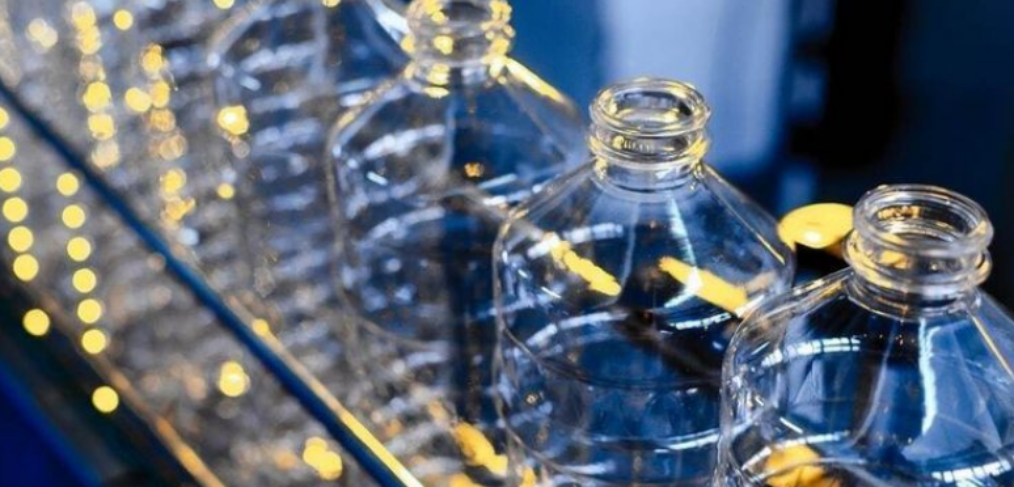
How Filling Speed, Viscosity, and Bottle Geometry Interact on Production Lines
Why Packaging Performance Starts on the Filling Line
Rigid plastic packaging is often evaluated based on shelf appearance, durability, or closure performance. However, one of the most important stages in the lifecycle of a container occurs long before the product reaches consumers. It happens on the filling line.
At t3 Plastic Packaging, bottle geometry is engineered not only for visual presentation but also for operational efficiency. Filling speed, liquid viscosity, and container shape interact continuously during production, and even minor design variations can significantly affect line performance.
In high-volume manufacturing environments, packaging that fills efficiently reduces downtime, improves consistency, and increases throughput. Packaging that performs poorly can slow production, create spillage, and increase rejection rates.
Why Bottles Affect More Than Shelf Appeal
Bottle geometry directly influences how products move through automated filling systems. Features such as shoulder angle, neck diameter, internal volume distribution, and base stability all affect filling performance.
Well-designed geometry supports:
- Stable positioning during filling
- Consistent liquid flow
- Reduced foaming and turbulence
- Accurate fill levels
- Efficient closure application
Poor geometry can introduce instability that affects the entire production line.
Understanding Filling Speed
Filling speed refers to how quickly product can be dispensed into containers while maintaining accuracy and consistency.
Several factors influence filling speed:
- Product viscosity
- Nozzle design
- Container opening diameter
- Air displacement within the bottle
- Filling system pressure
Increasing speed without controlling these variables can lead to splashing, inconsistent fills, or product waste.
At t3, bottle geometry is designed to support stable filling conditions even at high production rates.
How Viscosity Changes Filling Behaviour
Different products behave differently during filling. Thin liquids such as water move quickly and generate minimal resistance, while thicker products flow more slowly and behave unpredictably under pressure.
High-viscosity products may:
- Trap air within the container
- Create uneven filling patterns
- Increase turbulence near the neck finish
- Require slower dispensing speeds
Bottle geometry must therefore be matched to the viscosity characteristics of the product being filled.
Designing for Speed Without Sacrificing Accuracy
Production speed is important, but speed without control creates waste.
t3 designs bottle geometry to optimise both speed and accuracy by considering:
- Neck diameter and entry flow
- Shoulder transitions
- Internal flow paths
- Base stability during conveyor movement
Smooth internal geometry reduces turbulence and improves liquid settling behaviour, allowing filling systems to operate efficiently without sacrificing precision.
The Relationship Between Geometry and Air Displacement
As liquid enters a container, air must escape efficiently. Poor air displacement creates pressure fluctuations that interfere with filling consistency.
Bottle geometry affects how air moves through the container during filling. Narrow neck finishes or abrupt shoulder transitions may trap air and slow production.
By engineering smoother flow paths and balanced internal volume distribution, t3 improves filling efficiency and reduces instability.
Line Stability and Container Handling
Bottle geometry also affects how containers behave while moving through automated production systems.
Containers must remain stable during:
- Conveyor transport
- Filling
- Capping
- Labelling
Base geometry, weight distribution, and structural rigidity all contribute to line stability. Poorly balanced containers may tip, rotate incorrectly, or jam production equipment.
t3 designs containers to maintain consistent movement throughout high-speed production environments.
Reducing Production Errors Through Design
Packaging design can significantly reduce operational errors when engineered correctly.
Optimised bottle geometry helps minimise:
- Overfilling and underfilling
- Product spillage
- Conveyor instability
- Closure misalignment
- Label application inconsistency
Reducing these issues improves overall manufacturing efficiency and reduces operational waste.
Engineering Packaging for Operational Performance
Rigid packaging must function as part of a complete manufacturing system. Bottle geometry cannot be separated from filling speed, product viscosity, or production-line performance.
By engineering containers with operational efficiency in mind, t3 Plastic Packaging helps manufacturers achieve faster, more stable, and more reliable production processes.